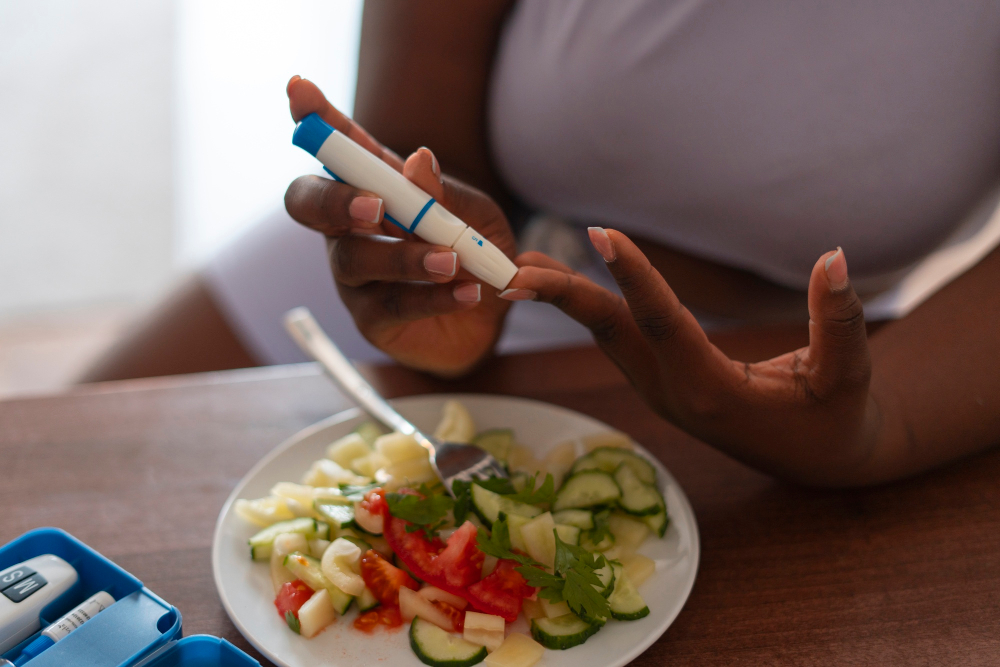
Prediabetes: Small changes that may help reduce your risk
Prediabetes occurs when blood glucose levels are higher than normal but not yet within the range used to diagnose diabetes. It is an important warning sign because it indicates an increased risk of developing type 2 diabetes and cardiovascular disease.
The encouraging news is that people who have prediabetes may be able to lower their risk through sustainable lifestyle changes and, in some circumstances, medical treatment.
Why Does Prediabetes Develop?
Insulin helps glucose move from the bloodstream into the body’s cells. With insulin resistance, cells respond less effectively to this hormone, making it harder to keep blood glucose within a healthy range.
Genetics, age, physical activity, body composition, sleep, certain medications, and other health factors can influence the risk of developing prediabetes.
It isn’t simply a matter of willpower or eating too much sugar. People can develop the condition for a variety of reasons.
Prediabetes usually has no obvious symptoms, so blood testing is often necessary to identify it.
Choose Sustainable Food Habits
You don’t necessarily need to follow a restrictive diet. Instead, focus on balanced meals that include vegetables, fiber-rich carbohydrates, protein, and appropriate portions.
Whole grains, beans, lentils, and other fiber-containing foods can be useful components of a healthy eating pattern.
Replacing sugary drinks with water or unsweetened alternatives may also help reduce excess sugar intake.
If you have questions about portions or meal planning, a registered dietitian or qualified healthcare professional can help develop an approach that fits your preferences and needs.
Make Movement Part of Your Routine
Regular physical activity helps the body use glucose and can improve insulin sensitivity.
Walking after meals, cycling, swimming, dancing, or participating in activities you enjoy can help you build consistency.
For many adults, a useful general target is at least 150 minutes of moderate-intensity activity per week, adjusted for individual abilities and medical circumstances. Starting gradually is reasonable if you are currently inactive.
Sleep and Follow-Up Matter
Adequate sleep and effective management of ongoing stress support general metabolic health.
Equally important is following up on your blood glucose results. A clinician can interpret tests such as HbA1c or fasting glucose, assess your overall risk, and recommend an appropriate monitoring schedule.
Some people may benefit from medication, such as metformin, depending on their risk factors and medical circumstances.
Focus on Progress, Not Perfection
Prediabetes doesn’t guarantee that you will develop type 2 diabetes. It does, however, provide an opportunity to act early.
Rather than trying to change everything at once, begin with manageable steps: take a daily walk, improve one meal, or establish a more regular sleep schedule.
Consistent habits, appropriate testing, and personalized medical advice can help you make informed decisions about your long-term health.