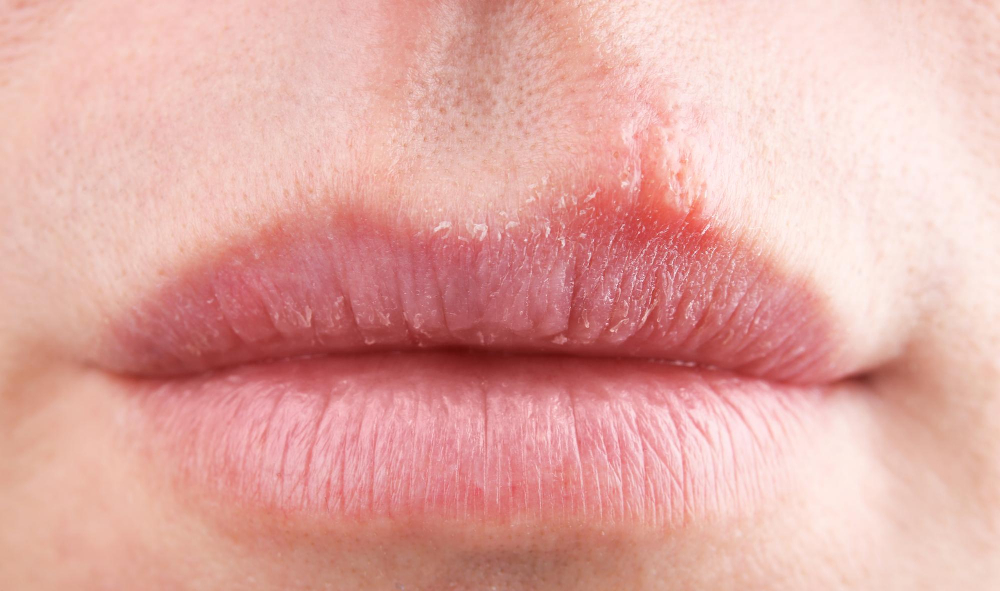
Living with herpes: Managing outbreaks, relationships, and emotional stress
A herpes diagnosis can bring up many questions. Some people worry about future outbreaks, while others are concerned about transmitting the virus to a partner or being judged because of the diagnosis.
These reactions are understandable, but herpes is a common infection, and an accurate understanding of the condition can help people manage it without unnecessary fear or shame.
Understanding Recurrences
Herpes simplex virus remains in the body after the initial infection. It can reactivate periodically, causing another outbreak, although the frequency and severity vary considerably from person to person.
Some people experience tingling, itching, or burning before sores appear. Others have no obvious warning signs or noticeable outbreaks.
Illness, friction, stress, and other factors may coincide with recurrences, but triggers are not identical for everyone.
Keeping track of symptoms and discussing patterns with a healthcare professional can help you understand your own experience.
Treatment Can Make a Difference
Antiviral medicines, including acyclovir and valacyclovir, can help shorten outbreaks and reduce symptoms. For people who experience frequent recurrences, a clinician may recommend suppressive treatment taken regularly.
Suppressive therapy can also reduce the risk of transmitting genital herpes in certain circumstances, but it does not eliminate the risk entirely.
Treatment decisions depend on the type of herpes, outbreak frequency, medical history, pregnancy status, and personal preferences.
If you have active sores, avoid applying harsh chemicals or unverified products to the affected area. Gentle care and professional advice are generally safer than experimenting with household remedies.
Talking With a Partner
Discussing herpes with a partner can feel uncomfortable, especially when you are worried about their reaction.
Choose a private moment when neither person feels rushed. Explain what you know about the infection, how it can spread, and what steps you can take together to reduce the risk.
For genital herpes, avoiding sexual contact during outbreaks or warning symptoms and using condoms or other barriers can reduce transmission risk, although neither measure provides complete protection.
Because transmission can occur without visible sores, honest communication remains important even when symptoms are absent.
Take Care of Your Emotional Health
A diagnosis does not determine your character, your worth, or your ability to build a loving relationship.
If anxiety, shame, or fear is affecting your daily life, consider speaking with a healthcare professional or counselor. Reliable medical information can also help counter common misconceptions.
Know When to Seek Medical Advice
Seek assessment for new or unexplained sores, severe symptoms, or concerns about possible exposure. Prompt medical advice is especially important during pregnancy, for newborns, and for people with weakened immune systems.
Herpes cannot currently be eliminated from the body, but effective treatments and sensible precautions can help many people manage the condition and maintain fulfilling relationships.