Hair loss: understanding the causes and what you can do about it
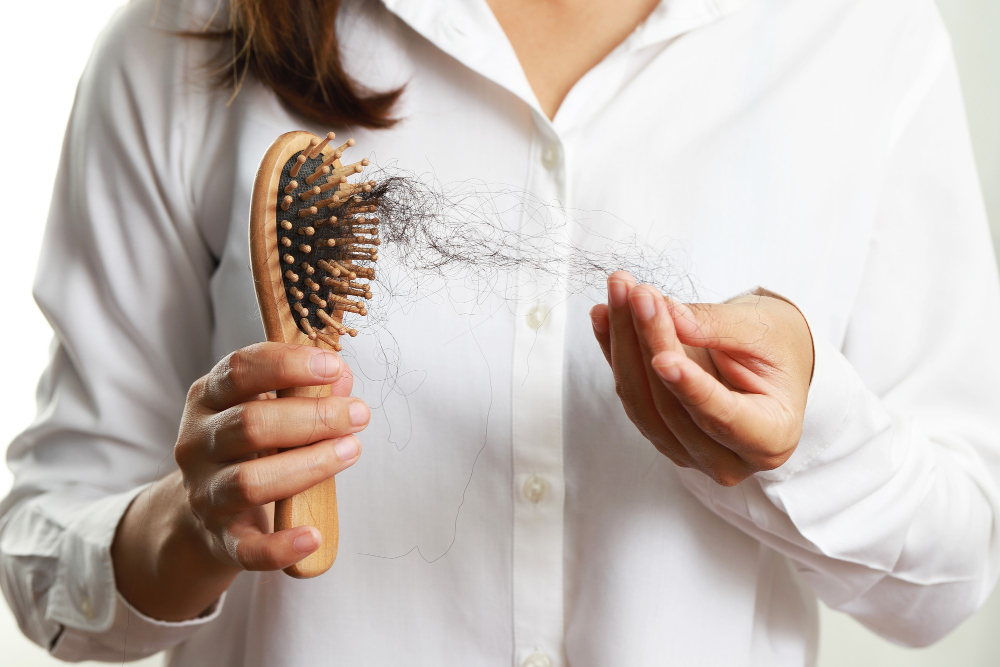
Finding more hair than usual on your pillow, in the shower, or on your hairbrush can be worrying. Hair plays an important role in how many people see themselves, so noticing thinning or bald patches can affect confidence as well as appearance.
However, hair loss has many possible causes, and understanding the reason behind it is an important first step toward choosing the right approach.
Why Does Hair Loss Happen?
It’s normal to shed some hair every day as part of the natural hair growth cycle. Problems arise when shedding increases significantly, hair stops growing back normally, or follicles gradually produce thinner strands.
One common cause is hereditary hair loss, which can affect both men and women. In men, it often begins with a receding hairline or thinning at the crown. Women may notice a widening part or reduced overall volume.
Temporary shedding can also occur after significant stress, illness, surgery, childbirth, or substantial weight loss. Certain medications, thyroid disorders, nutritional deficiencies, and autoimmune conditions can contribute as well.
The timing matters. Increased shedding sometimes becomes noticeable several months after a stressful event or illness.
Everyday Habits That Support Hair Health
A balanced diet provides nutrients needed for normal hair growth. Protein, iron, zinc, and other nutrients play important roles, although supplements generally help hair only when a deficiency or specific need exists.
Taking supplements without identifying a deficiency may be unnecessary and, in some cases, harmful.
Gentle hair care can also help reduce breakage. Avoid frequent high-heat styling, excessively tight hairstyles, and harsh chemical treatments if they damage your hair. Remember that breakage is different from hair loss originating at the scalp.
No shampoo, oil, or home remedy can reliably treat every type of hair loss.
When Should You Seek Help?
Consider seeing a dermatologist if hair loss is sudden, persistent, worsening, or accompanied by scalp pain, itching, scaling, or distinct bald patches. A clinician can examine your scalp, review your medical history, and recommend tests when appropriate.
Treatments depend on the cause. For certain types of hereditary hair loss, medications such as topical minoxidil may help, although results vary and continued use is often necessary. Other conditions require different treatments.
Focus on the Cause, Not Just the Symptoms
Hair loss can be frustrating, but it doesn’t always mean the damage is permanent. Identifying the underlying cause gives you a better chance of choosing an effective treatment rather than spending time and money on products that may not address the problem.
The best starting point is a careful assessment, realistic expectations, and a plan suited to your particular type of hair loss.