Why blood pressure can rise even when you feel fine
High blood pressure is sometimes called a silent condition because many people experience no obvious symptoms, even when their readings are consistently elevated.
This can make it easy to overlook. Someone may feel energetic, sleep well, and carry on with everyday activities without realizing that their blood pressure needs attention.
Understanding the factors that influence blood pressure can help you take a more informed approach to monitoring and prevention.
Blood Pressure Is Influenced by Several Factors
Blood pressure naturally changes throughout the day. Physical activity, emotions, caffeine, pain, and even the process of rushing to an appointment can temporarily raise a reading.
Long-term hypertension is different. It involves persistently elevated pressure and can be influenced by genetics, age, kidney conditions, sleep apnea, certain medications, and lifestyle factors.
High sodium intake, low physical activity, excessive alcohol consumption, and smoking can contribute to cardiovascular risk. However, hypertension can affect people who maintain healthy habits as well.
This is why you cannot reliably judge your blood pressure based on how you feel or how healthy you believe your lifestyle to be.
Measure It Properly
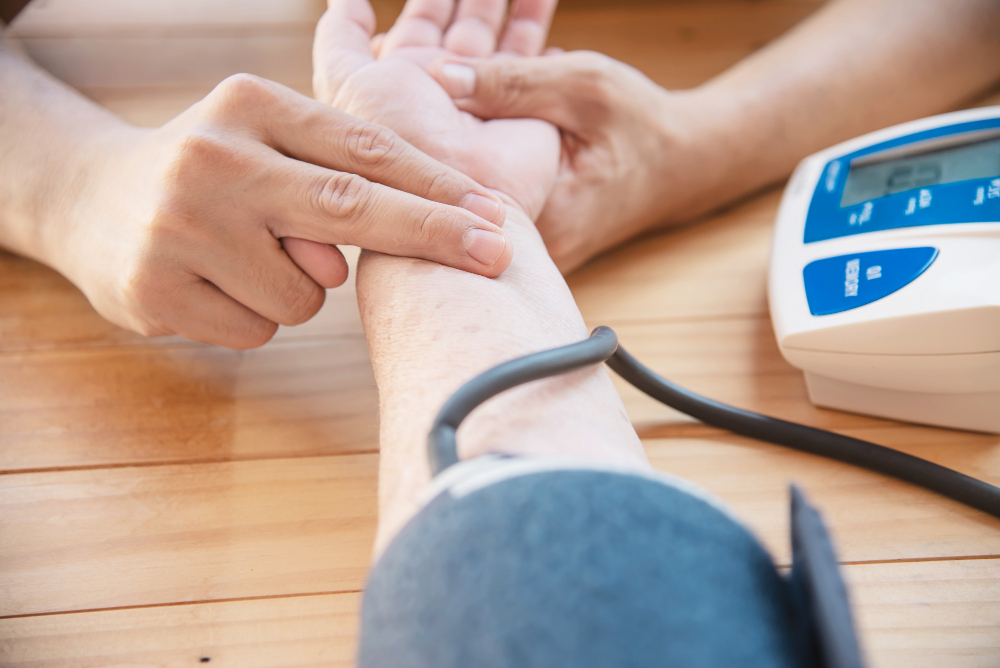
Home monitoring can help identify patterns and reduce the influence of a single unusual reading.
Use a validated upper-arm monitor with an appropriately sized cuff. Avoid smoking, caffeine, and exercise for about 30 minutes beforehand, empty your bladder, and sit quietly for five minutes.
Keep your back supported, feet flat on the floor, and arm supported at heart level. Take readings according to your clinician’s instructions and record the results.
If readings are repeatedly elevated, arrange an appointment to discuss them rather than relying on isolated measurements.
Everyday Habits That Support Healthy Blood Pressure
A heart-healthy eating pattern, regular movement, adequate sleep, and limiting excess alcohol can all help support blood pressure control.
Reducing sodium may be particularly useful for many people. Checking food labels and preparing more meals at home can help you understand how much salt you consume.
Some people also benefit from medication. If treatment has been prescribed, continue taking it as directed and discuss side effects or concerns with your healthcare professional.
Avoid replacing prescribed treatment with unverified supplements or home remedies.
Know When to Act Quickly
Very high blood pressure readings require prompt attention. If a reading is around 180/120 mmHg or higher, repeat it after a short period of rest. If it remains that high, seek immediate medical guidance.
If you also experience chest pain, shortness of breath, weakness, confusion, or changes in vision, call emergency services.
Make Prevention a Habit
Blood pressure checks are a simple way to learn something important about your health, even when you feel perfectly well.
Knowing your numbers, following professional advice, and making sustainable changes can help reduce long-term cardiovascular risks.